


Cast in Light: Three Canadian Designs Shaped by Metal
Casting is one of the oldest methods of forming metal, yet its particular combination of precision and imperfection feels remarkably at home in contemporary lighting. The process dates back thousands of years; sand casting alone has a history of at least 2,000 years and became increasingly important to industrial manufacturing from the 17th century onward.
At its simplest, casting involves pouring molten metal into a mould and allowing it to cool into the desired form. In sand casting, a pattern creates a cavity in compacted sand before molten metal is poured into it. Unlike machining a form from solid material, the process can leave subtle texture and variation on the finished surface—a record of how the object was made with each being unique like a finger print.
Three Canadian lighting designs demonstrate how this traditional manufacturing process can produce distinctly modern results.
Study Light — MSDS Studio
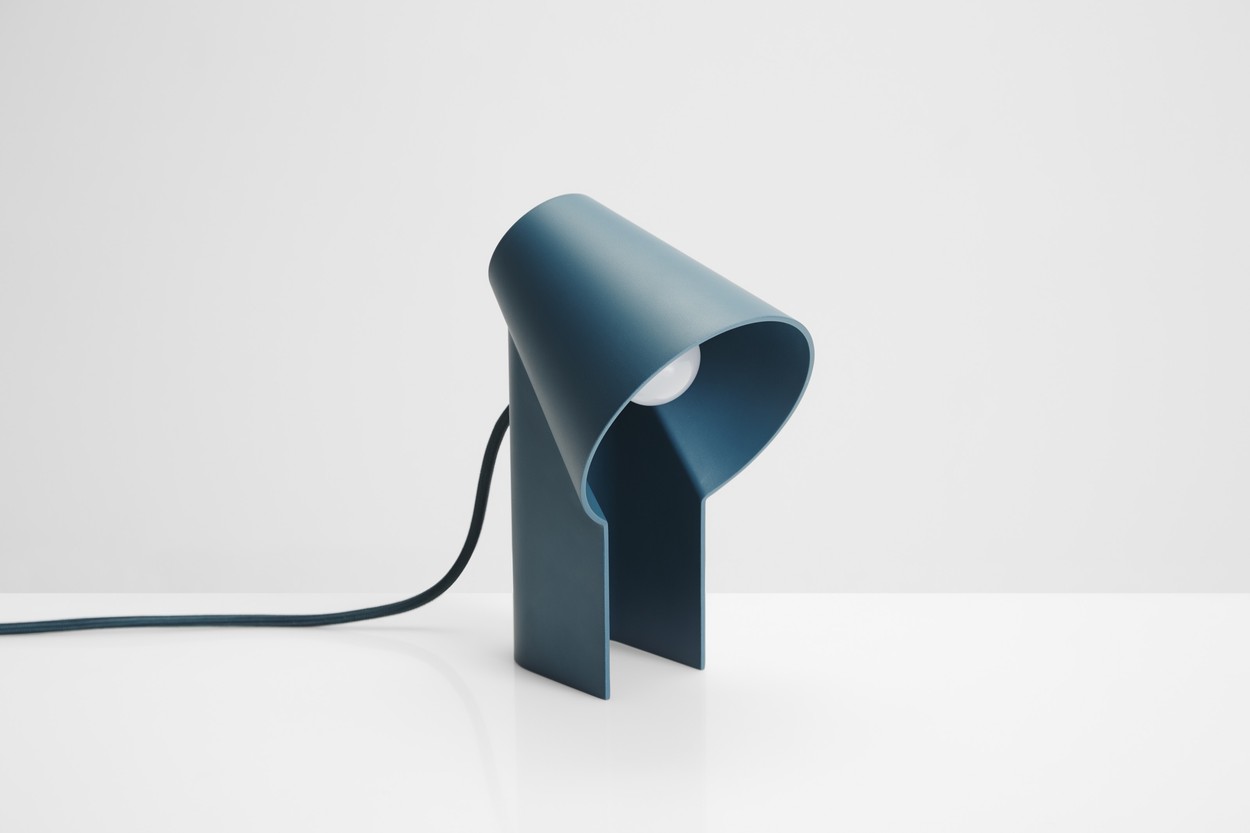
Designed by Toronto-based MSDS Studio for Danish manufacturer WOUD, the Study Light reduces the familiar task lamp to a compact shell made from a single cast-metal part. Designed in 2016, its simple form references classic task lighting without reproducing it, resulting in an object that feels simultaneously familiar and contemporary.
The economy of the design is particularly suited to casting: structure, shade and silhouette are resolved as one continuous object, allowing the manufacturing process itself to help define the lamp.
Cast Pendant —Tom Chung & Jordan Murphy
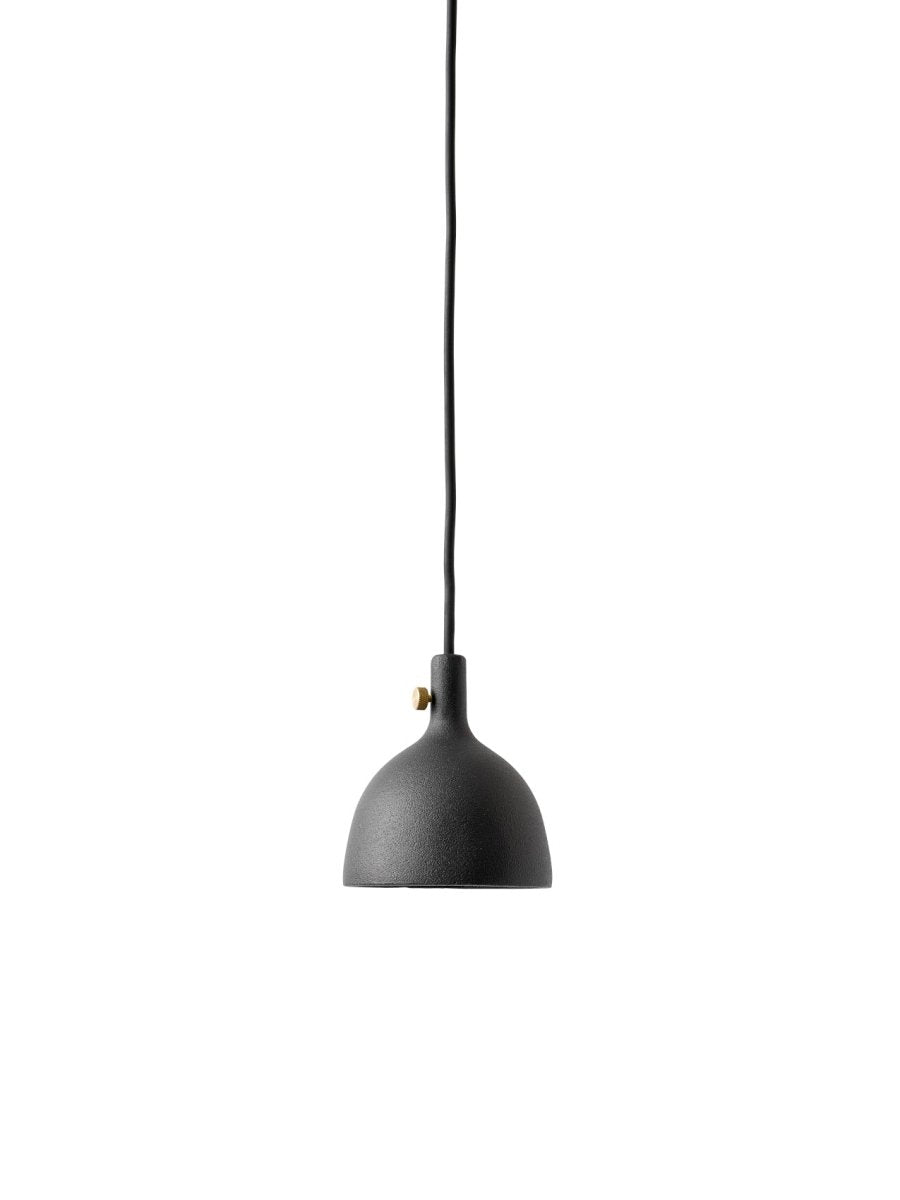
The Cast Pendant, designed by Canadian designers Tom Chung and Jordan Murphy, takes inspiration from the plumb bob—one of the oldest tools used by builders to establish a true vertical line. Its compact geometric body is made from cast aluminum, giving an ancient utilitarian form a distinctly contemporary interpretation.
With little ornamentation, the pendant relies instead on proportion, material and the weight of its suspended form. The slightly tactile character of cast aluminum reinforces that connection to traditional tools while remaining unmistakably minimal.
Hook Sconce — Object Interface
The Hook Sconce by Object Interface uses sand-cast aluminum, brass and opal glass to combine two functions within a single fixture: wall light and hook. Its cast body provides the structural foundation for a simple globe diffuser and projecting hook, creating a fixture intended for entryways, kitchens, bedrooms and other spaces where lighting and utility can coexist.
Here, the subtle texture associated with sand casting is deliberately retained rather than disguised. Paired with the smooth opal glass and brass detail, it gives the otherwise minimal fixture a tactile, almost architectural quality.

An Old Process, A Modern Material Language
Casting has historically been associated with everything from tools and machinery to cookware and architectural components. In contemporary lighting, those industrial origins become part of the aesthetic.
The Study Light, Cast Pendant and Hook Sconce demonstrate three different approaches to the same idea: allowing material and manufacturing to do more with less. Their restrained forms don't conceal how they are made; instead, casting becomes part of their character.
In an era of increasingly seamless manufacturing, the slight variations, weight and surface texture of cast metal offer something different—a visible connection between process, material and object.

